SEVEN PRINCIPLES
The Principles of Consciousness Education
The Consciousness Education initiative has given rise to a wide range of projects. While this diversity has been a strength, it initially made it difficult to see what might give them coherence.
Through careful reflection, dialogue, and analysis, seven core principles gradually emerged as common threads running across all the projects.
These principles are offered as guides rather than prescriptions. They describe a way of approaching education, not a fixed framework or belief system, and remain open to further shaping across cultures and contexts.
1. Grounded in non-materialist perspectives supported by scientific inquiry
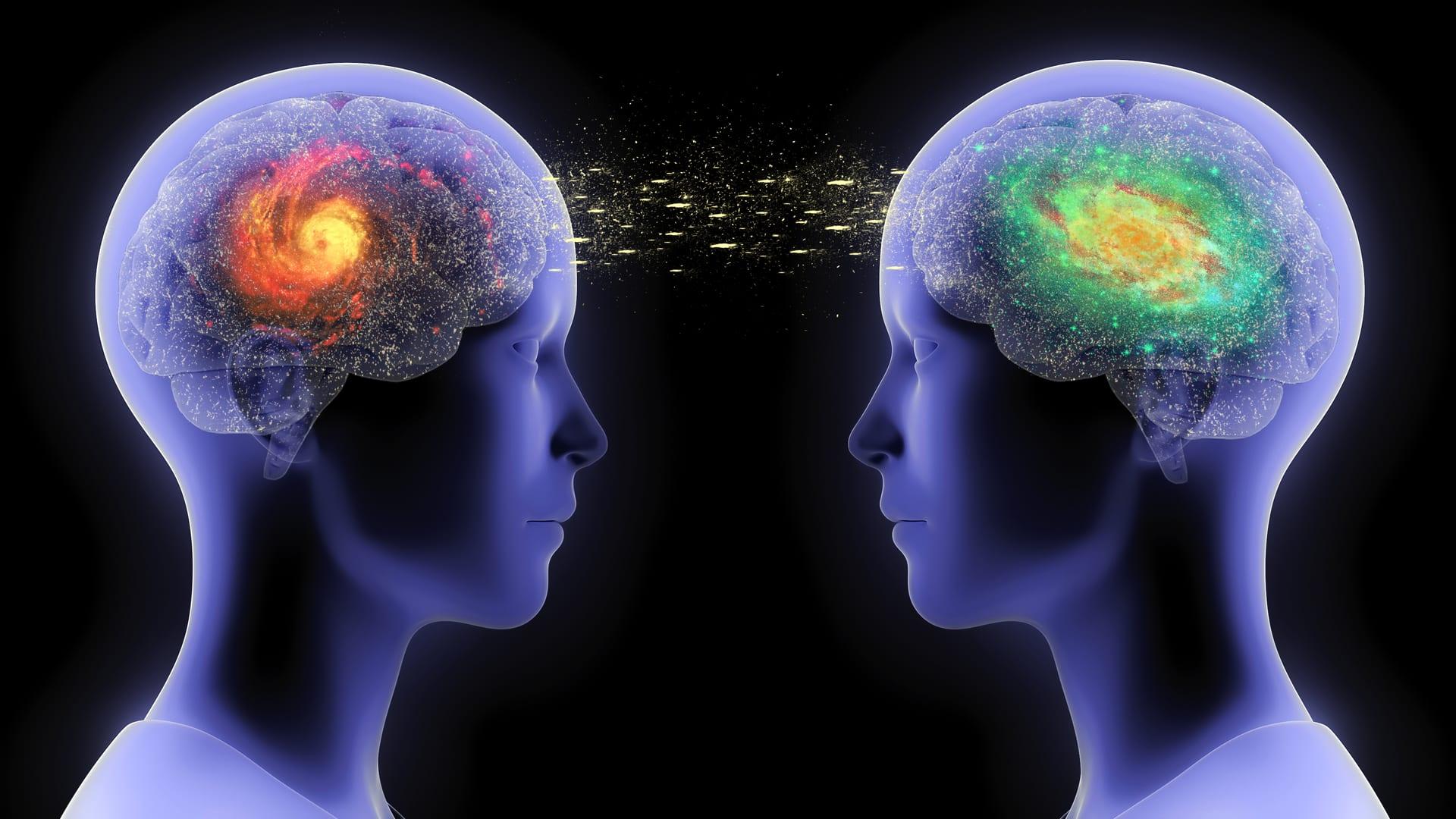
Consciousness Education questions the assumption that consciousness is merely a by-product of the brain. It draws on scientific and philosophical inquiry that takes seriously the possibility that consciousness may be fundamental to reality, while remaining critical, evidence-informed, and open to ongoing investigation.

2. Understands all living systems as holistic, dynamic, and interconnected
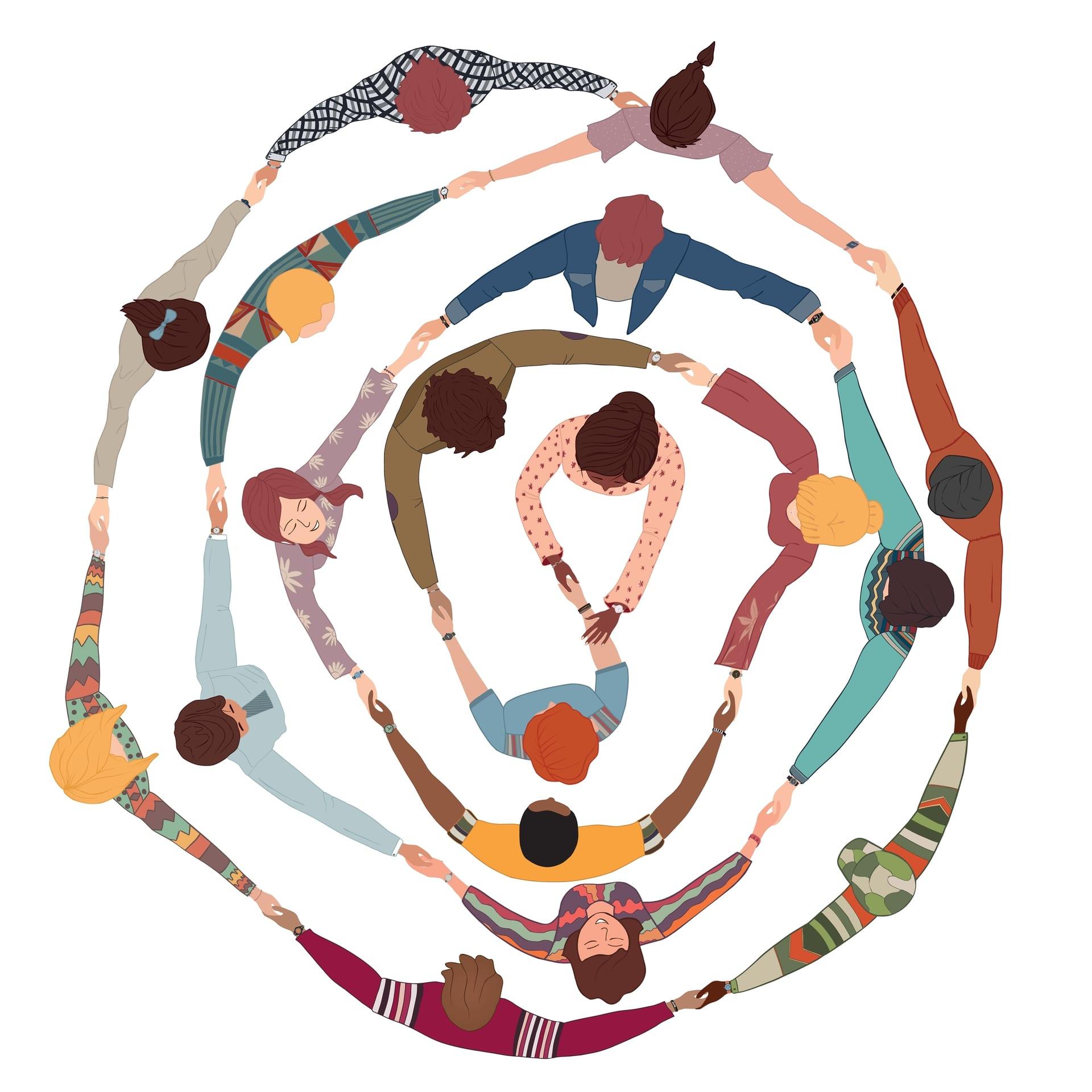
Learning is understood as taking place within living systems of relationship — between individuals, communities, cultures, and the natural world. Education is therefore relational and contextual, shaped by dynamic patterns of interconnection rather than linear processes and end results.

3. Emphasizes experience
Consciousness Education begins with lived experience. It attends to inner life — awareness, feeling, intention, and meaning — alongside outer activity and interaction. Knowledge grows through participation, reflection, and engagement, not merely through information transfer.

4. Allows consciousness to teach through us
Teaching is approached as a relational and responsive practice rather than one-way communication. It becomes less about delivering content and more about creating conditions where insight and understanding can emerge naturally.

5. Cultivates transformative shifts and integration
Education can influence how we understand the world and how we live our lives. Consciousness Education brings together thinking, feeling, and embodied experience, connecting learning to personal, professional, and social transformation.

6. Breaks from cultural norms
Engaging with ideas of consciousness often involves questioning familiar assumptions such as speed, competition, and teaching to the test. Consciousness Education invites us to pause, reflect, and imagine alternative approaches that value depth, care, and meaning.

7. Facilitates heart-centred and embodied teaching and learning
Learning is understood as embodied and relational, not just cognitive. Consciousness Education values heart-centred qualities — care, compassion, presence, and ethical sensitivity — as integral to teaching and learning, alongside intellectual rigour.
Consciousness Education
Exploring the nature of consciousness and its role in transforming education, learning, and human experience.
© 2026 Consciousness Education