CONSCIOUSNESS EDUCATION

About

Consciousness Educators

Our Story

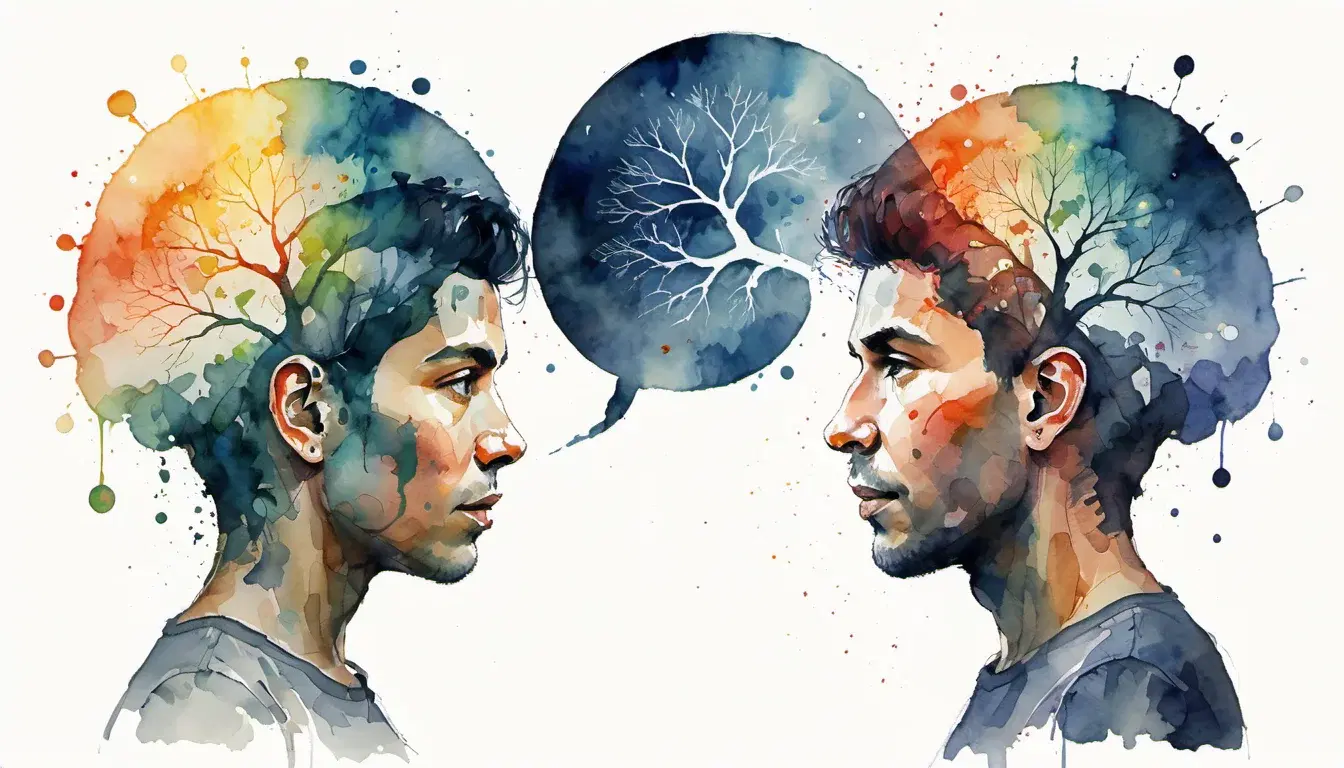
The Consciousness Educators' Network emerged from the lived experiences of educators who recognized that the prevailing materialist paradigm in education was insufficient to explain their most profound experiences of consciousness, connection, and meaning.

In January 2024, Dr. Joan Walton, Dr. Laurel Waterman, and Dr. Marjorie Woollacott launched the network through a series of webinars hosted by the Galileo Commission.

The response was extraordinary—hundreds of educators from around the world resonated with the call to bring consciousness studies into mainstream education.
The Challenge We Address

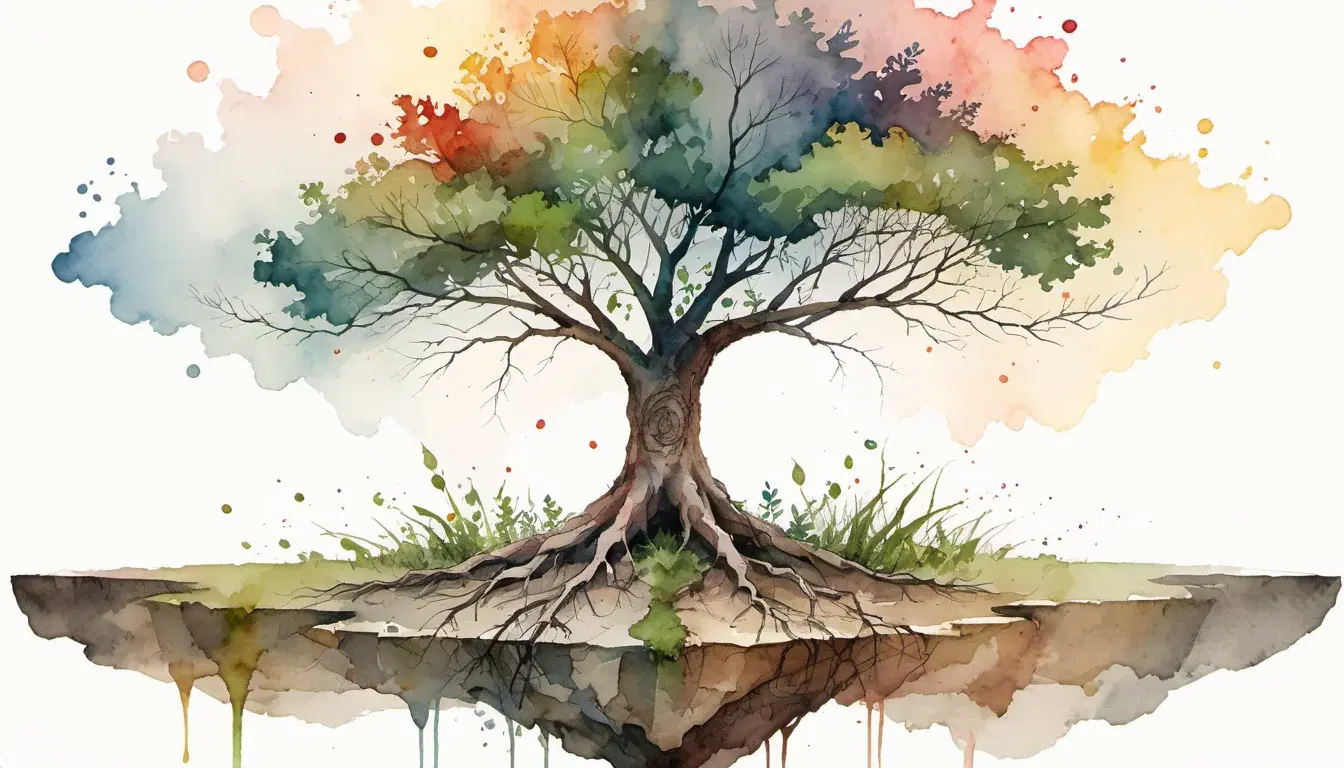
Despite growing evidence in consciousness studies that challenges materialist assumptions, this knowledge has made little impact beyond neuroscience and philosophy. Education continues to operate as if consciousness is merely an epiphenomenon of brain activity.

“There is no consensus about how consciousness is generated, or how best to approach the question, but all investigations start with the incontrovertible premise that consciousness comes about from the action of the brain.”
— Kitchener & Hales, Frontiers in Human Neuroscience (2022)

Yet this “incontrovertible premise” is itself an unproven assumption. In 2023, neuroscientist Christof Koch acknowledged that science still cannot explain how the brain produces consciousness—the “hard problem” identified by philosopher David Chalmers remains unresolved.

Alternative Perspectives

  • Filter theories — the brain acts as a receiver or filter of consciousness, rather than its producer.
  • Consciousness as fundamental — consciousness may be a basic feature of reality, with matter emerging from it rather than vice versa.
  • Participatory paradigm — reality is co-created through the participatory relationship between consciousness and the cosmos.

These perspectives, supported by developments in quantum physics and aligned with indigenous wisdom traditions, suggest a universe that is fundamentally conscious, interconnected, and participatory.
Why Education?

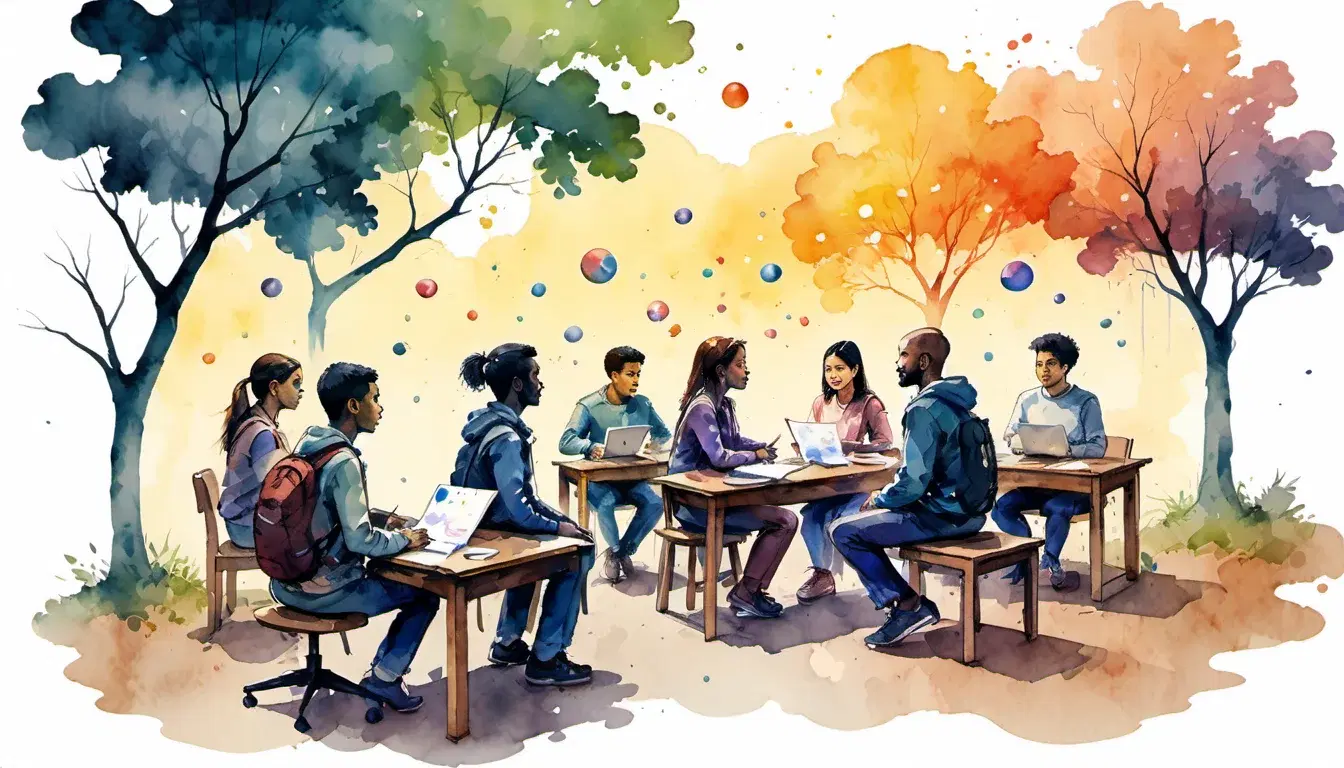
Education is the process by which people learn. By introducing postmaterialist perspectives on consciousness into education, we create a pathway through which all other disciplines may evolve in response to this emerging paradigm.
Our Approach

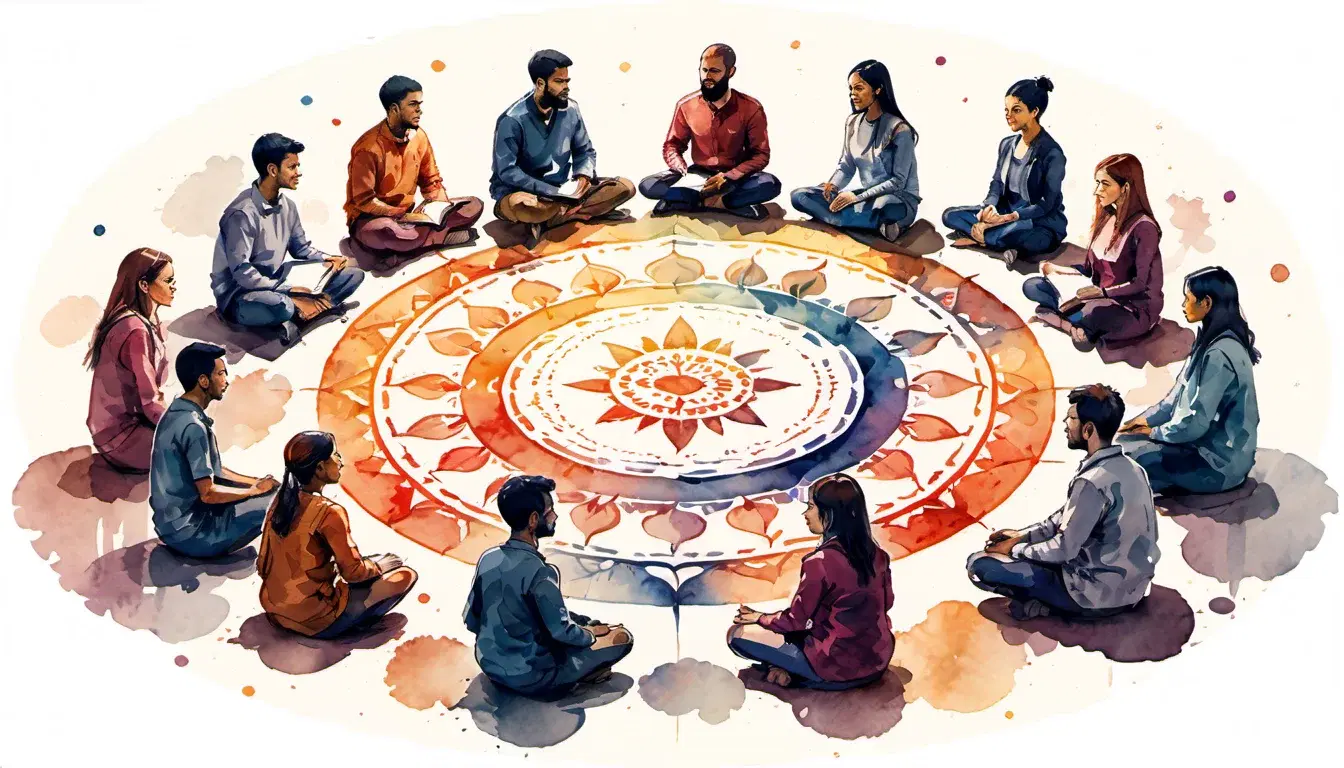
We are developing consciousness education through collaborative inquiry—bringing together educators working in diverse settings to share experiences, develop best practices, and learn from one another.

This is a living, dynamic process of co-creation.

Founding Members

Dr. Joan Walton

Dr. Joan Walton

In her external world, Joan is an academic at York St John University, UK, a member of the Galileo Commission Steering Group, and former chair of the Scientific & Medical Network's Board of Directors. She is also a mother, grandmother, and cares deeply about the future of younger generations. Both her personal and professional lives have been influenced by early encounters with the suffering of young children, and a realisation that the knowledge needed to resolve that suffering did not yet exist within either science or religion. Unwilling to accept explanations that did not resonate with her own lived experience, she began a lifelong inquiry into how knowledge is formed. Over time, she has come to see that many of our social, educational and ethical crises arise from a materialist worldview that treats consciousness as secondary rather than foundational. In exploring an emerging post-materialist paradigm, her work includes integrating inner and outer ways of knowing, and cultivating spaces for more participatory forms of inquiry.

Dr. Laurel Waterman

Dr. Laurel Waterman

Dr. Laurel Waterman holds a PhD in Curriculum, Teaching, and Learning, Wellbeing Emphasis, from the Ontario Institute for Studies in Education (OISE) at the University of Toronto, Canada. Laurel’s research focuses on consciousness education, which explores perspectives on the source and nature of consciousness and their implications for ways of being, knowing, teaching, and learning. Laurel is an adjunct faculty member at the University of Toronto Mississauga’s Department of Communication, Culture, Information and Technology and in the Alef Trust’s MSc in Consciousness, Spirituality, and Transpersonal Psychology.

Dr. Marjorie Woollacott

Dr. Marjorie Woollacott

Dr. Marjorie Woollacott, is a professor and member of the Institute of Neuroscience at the University of Oregon. Woollacott has received extensive funding for her research in rehabilitation medicine, consciousness, meditation, spiritual awakening and end-of-life experiences. She has published over 200 scientific articles and written or edited nine books, including Infinite Awareness: The Awakening of a Scientific Mind (receiving 8 book awards) and Spiritual Awakenings: Scientists and Academics Describe Their Experiences. She is past chair of the Dept. of Human Physiology of the U. of Oregon, President of the Academy for the Advancement of Post-Materialist Sciences, on the Science Committee of the Institute of Noetic Sciences (IONS), Co-Director of the Galileo Commission and Research Director for the International Association of Near-Death Studies (IANDS). She has given workshops on rehabilitation medicine, the nature of consciousness and taught meditation for many years. She was mentioned as one of 10 revolutionary scientists for 2024-2025 (Feed your Head).